High-temperature applications for halide salt technology
Halide salts are being investigated across technologies where high-temperature chemistry, heat transfer, electrochemistry, and materials performance intersect.
Tritium-breeding blankets


Fusion power systems present some of the most demanding materials and chemistry challenges in energy technology. In several fusion blanket concepts, FLiBe is being investigated as a multifunctional material that can serve as a tritium-breeding medium, coolant, and neutron multiplier.
SaltGen can provide high-purity FLiBe and is developing chemistry and characterization capabilities relevant to:
Tritium-breeding blanket development
High-purity breeder salts provide a controlled starting point for evaluating blanket chemistry, tritium-related behavior, heat transfer, and long-term materials performance.
FLiBe purification and characterization
Purification removes moisture, oxides, metals, and other contaminants, while characterization establishes a reproducible chemical baseline for testing and development.
Materials compatibility
Controlled salt composition and impurity levels help researchers isolate salt–material interactions and evaluate candidate structural alloys under representative high-temperature conditions.
Corrosion studies
Well-characterized salts make it easier to evaluate corrosion mechanisms, compare materials, and understand how impurities and chemical conditions affect component lifetime.
Lithium and fluoride chemistry
Precise control of lithium- and fluoride-containing salts supports studies of composition, speciation, impurities, and chemical behavior relevant to fusion blanket systems.
High-temperature instrumentation
Reliable measurements in molten salts require sensors and analytical methods capable of operating under chemically aggressive, elevated-temperature conditions.
Blanket chemistry control
Monitoring and adjusting salt chemistry can help maintain desired operating conditions while limiting unwanted reactions, impurity buildup, and materials degradation.
As fusion technologies progress toward larger experimental and engineering systems, well-characterized salt could become increasingly important to materials qualification and blanket development.
Fuel, carrier & coolant salts

Advanced fission concepts are exploring molten salts as fuel salts, carrier salts, and primary or secondary coolants. Each application places different requirements on composition, purity, redox conditions, and impurity control.
SaltGen is developing capabilities that can support:
Halide coolant systems
Purified halide salts can support evaluation of high-temperature coolant loops, including heat-transfer performance, chemistry control, and compatibility with system materials.
Fuel and carrier salt development
Controlled salt preparation supports formulation and evaluation of compositions intended to dissolve fuel species or serve as carrier media in molten-salt reactor concepts.
Salt purification and conditioning
Targeted purification and conditioning can reduce moisture, oxygen-bearing species, metals, and other contaminants that influence salt behavior and corrosion.
Corrosion and materials compatibility
Testing with well-defined salts helps distinguish intrinsic materials behavior from effects caused by uncontrolled contaminants or changing salt chemistry.
Redox and impurity characterization
Understanding oxidation-reduction conditions and trace impurities helps establish the chemical state of a salt and its potential interactions with reactor materials.
Electrochemical measurements
Electrochemical techniques can provide insight into redox state, dissolved species, impurity behavior, and other chemical conditions within molten salts.
Chemistry monitoring
Routine chemical measurements can track changes in salt composition, impurities, and operating condition throughout testing or system operation.
A controlled and well-characterized salt baseline can help reactor-development teams generate more consistent materials and chemistry data.
High-temperature chemical & electrochemical processing

.jpeg)
Halide salts can serve as reaction media, electrolytes, heat-transfer media, or chemical intermediates in high-temperature industrial processes.
SaltGen is developing materials and chemistry capabilities for potential applications including:
High-temperature chemical processing
Molten halide salts can provide thermally stable reaction environments for processes that benefit from elevated temperatures and controlled chemical conditions.
Electrochemical production
Molten halide electrolytes can support high-temperature electrochemical routes for producing metals, intermediates, or other materials.
Fluoride-based processing
Fluoride salts offer distinctive chemical properties that can be explored for reaction media, separations, synthesis, and other high-temperature process applications.
Reaction-media development
Salt composition can be tailored to provide specific solubility, transport, electrochemical, and thermal properties for emerging chemical processes.
Electrorefining
Purified molten salts can serve as electrolytes for selective electrochemical separation and purification of metals and other species.
Materials compatibility
Well-characterized salts enable meaningful testing of vessels, electrodes, piping, seals, and other components exposed to demanding high-temperature chemistries.
Process chemistry optimization
Controlled salt composition enables systematic evaluation of how temperature, impurities, redox conditions, and concentration affect reaction efficiency and product quality.
Controlled salt chemistry can help process-development teams better understand the relationship between chemical conditions and process performance.
High-temperature separation, recovery & refining
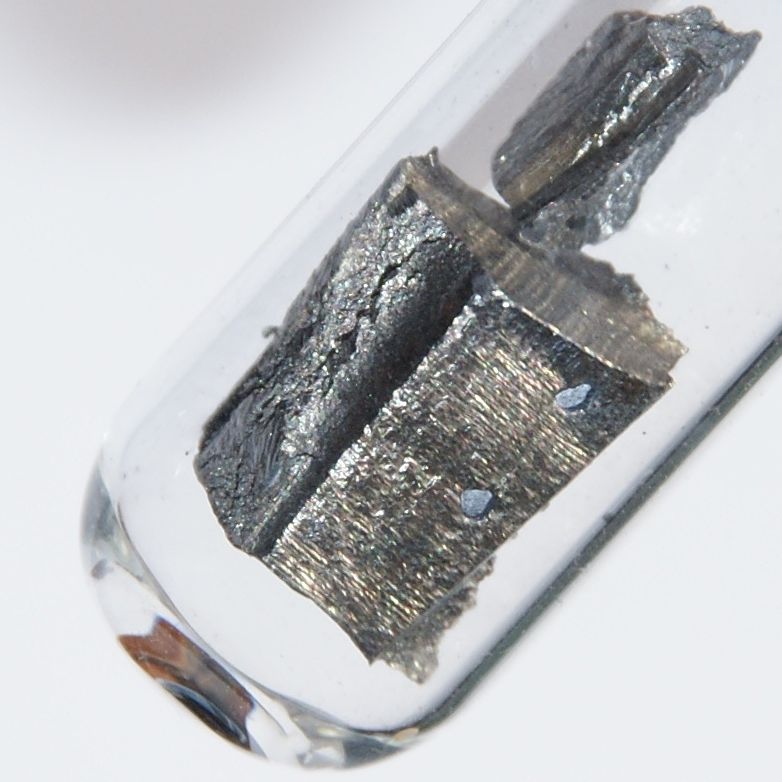
Halide salt chemistry can enable new approaches to mineral processing, metal recovery, separation, and refining.
SaltGen can develop capabilities relevant to:
Mineral and metal separation
Molten-salt chemistry can provide alternative pathways for selectively separating valuable elements from complex mineral and process streams.
Metal recovery
High-temperature salt processes can enable recovery of valuable metals from concentrates, recycled materials, or process residues through chemical or electrochemical methods.
Electrochemical refining
Controlled halide electrolytes can support selective deposition or removal of species based on their electrochemical behavior.
High-temperature processing
Molten salts provide reaction and transport media for processes that operate beyond the practical temperature range of conventional aqueous chemistry.
Fluoride-based extraction
Fluoride chemistry can be investigated as a route for converting, dissolving, or selectively separating metals from mineral feedstocks and intermediate materials.
Electrorefining
High-purity salt electrolytes provide a controlled medium for studying selective metal purification, transport, and deposition at elevated temperature.
Well-characterized salt materials can provide a more reproducible starting point for evaluating new separation and refining processes.
High-temperature heat transfer & thermal storage


Next-generation concentrated solar power systems are exploring higher operating temperatures to improve efficiency and expand system capabilities. Halide salts offer opportunities for higher-temperature heat transfer, thermal energy storage, and corrosion management.
SaltGen can provide high-purity, characterized salts to support:
High-temperature heat transfer
Halide salts can operate at elevated temperatures, making them attractive for research into next-generation heat-transfer fluids and higher-efficiency thermal systems.
Thermal energy storage
Molten salts can store sensible heat for later use, supporting research into higher-temperature thermal storage and dispatchable power generation.
Materials compatibility
Controlled salt chemistry helps developers evaluate alloys, coatings, seals, and other components intended for prolonged contact with high-temperature molten salts.
Corrosion management
Purification, chemistry monitoring, materials selection, and appropriate operating controls can help reduce corrosion risks in molten-salt systems.
Salt chemistry
Composition, moisture, oxygen-containing impurities, and redox conditions can all influence thermophysical properties, stability, and interactions with system materials.
Impurity effects
Even low concentrations of contaminants can affect corrosion, chemical stability, and physical properties, making impurity identification and control important to system performance.
System qualification
Consistent, characterized salt provides a reproducible working fluid for component testing, loop demonstrations, and validation of operating procedures.
Developing a high-temperature system?
If salt chemistry is part of your engineering challenge, SaltGen is developing materials and technical capabilities that may help.